



 English
 Français
 Deutsch
 Italiano
 Português
 Русский
 Español
 简体中文
简体中文 हिन्दी
 日本語
日本語

Tax season is stressful enough, but avoidable mistakes can turn a routine filing into an expensive headache.
With Tax Day approaching, here are five common filing missteps that could mean a smaller refund, a bigger bill or delays getting your return processed.
1. Choosing the wrong filing status
Your filing status is one of the most important choices on your tax return because it helps determine your tax rate, your standard deduction and which credits you may be eligible to claim. Pick the wrong one, and you could end up paying more than you owe, getting a smaller refund or triggering delays if the IRS flags the return for review.
For many taxpayers, the confusion comes from life changes that happened during the year, like getting married or divorced, having a child, moving in with a partner, supporting an aging parent or sharing custody. Even if your situation feels straightforward, the IRS rules can be less intuitive, especially for taxpayers who aren’t sure whether they qualify as “head of household” or whether they can still file as “qualifying surviving spouse” after a spouse has died.
Head of household, in particular, can be costly to get wrong. It typically comes with a larger standard deduction and more favorable tax brackets than filing as single – but it has strict requirements tied to paying more than half the cost of keeping up a home and having a qualifying dependent. If you don’t meet the rules and claim it anyway, you may have to pay back tax benefits later, plus penalties and interest.
When in doubt, the IRS has an online filing-status tool, and many tax software programs will walk you through the questions to help you choose the right category.
2. Leaving credits on the table
One of the biggest and most expensive tax-season mistakes is failing to claim every credit or deduction you qualify for. That can mean a smaller refund or a higher bill.
“I think the top mistake people make is not fully understanding or taking the time to really research what are all the different deductions and the ways that you can put a little bit of extra money in your pocket that are available to you,” said Bill Sweeney, senior vice president of government affairs at AARP.
AVERAGE TAX REFUND TOPS $3,700 MIDWAY THROUGH FILING SEASON, TREASURY SAYS
Sweeney also warned taxpayers not to rely on last year’s return as a blueprint for filing because of recent changes to the tax code from the One Big Beautiful Bill Act.
“This would be a good year given that there are these changes to the tax code, to make sure not to assume that what you did last year will convey over to this year. Really take a fresh look at your tax situation and see if there’s money that you’re leaving on the table,” he said.
3. Missing key deadlines
An extension can buy you time to file your paperwork, but it doesn’t give you extra time to pay. For most taxpayers, the IRS deadline to pay what you owe is April 15, 2026 – even if you request an extension to file later.
“Remember that even if you claim an extension, the money is owed on April 15,” said Mike Faulkender, co-chair of American Prosperity at the America First Policy Institute.
WHAT TRUMP’S NEXT PICK TO LEAD THE FEDERAL RESERVE MEANS FOR YOUR WALLET
Faulkender, a former Treasury official and IRS commissioner, said taxpayers who need more time should still estimate their bill and pay by the filing deadline to help avoid added costs.
“You have to actually send in a check or have the payment deducted from your account by the filing deadline,” he said.
If you can’t pay in full by April 15, pay what you can to help limit penalties and interest on top of your tax bill.
4. Entering bank account details incorrectly
If you choose direct deposit for your refund, the IRS relies on the routing and account numbers you provide. One wrong digit can lead to delays.
If you pay what you owe by direct debit, incorrect banking details can also lead to a rejected payment and potentially result in penalties and interest.
5. Filing before all your tax forms arrive
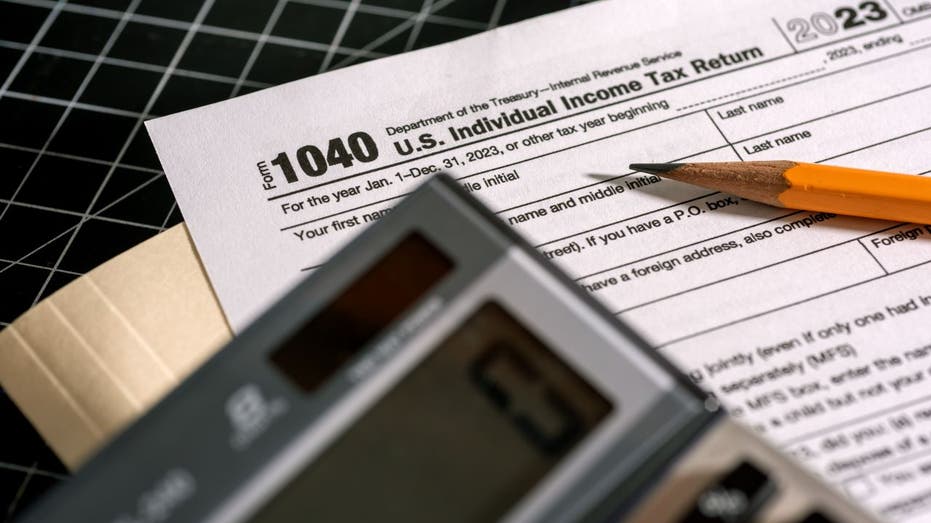
Timing matters when it comes to filing your taxes. Submitting your return before you’ve received all your key paperwork, like W-2s or 1099s, can lead to errors, missing income or a return you have to amend later.
Faulkender said there’s a simple way to double-check what’s been reported under your name before you file.
“One of the things that I learned last year when I was IRS commissioner, was that if you create an account on irs.gov, you can see everything that’s been filed under your tax ID,” he said.
CLICK HERE TO GET FOX BUSINESS ON THE GO
“We’re supposed to receive all of our W-2s and our 1099 forms in the mail in January and February. But if you’re missing one, or you misplaced it rather than requesting it again, you can actually go and see what was filed under your taxpayer identification number if you create an account on IRS.gov.”
Filing late can also cost you extra money, especially if you owe. The goal is to wait until you have what you need, then file as soon as you’re ready.
Read the full article here