



 English
 Français
 Deutsch
 Italiano
 Português
 Русский
 Español
 简体中文
简体中文 हिन्दी
 日本語
日本語
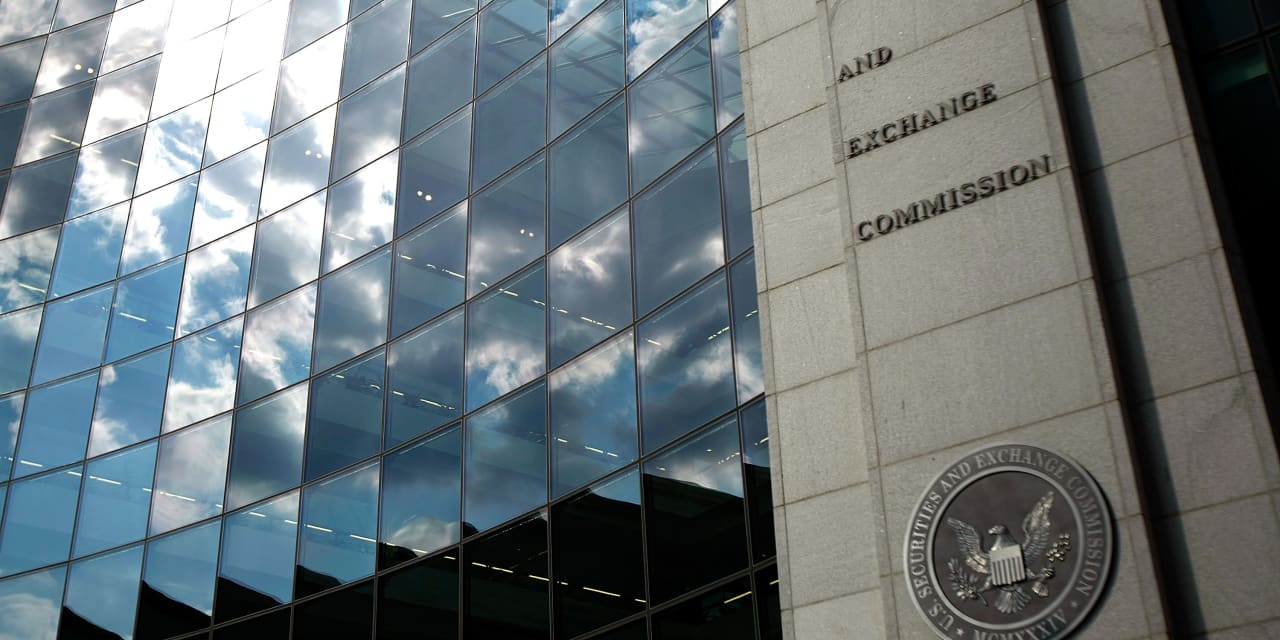
The Securities and Exchange Commission used the Consolidated Audit Trail for its report on the frenzied trading in GameStop stock in January 2021.
Chip Somodevilla/Getty Images
A system built by stock market regulators to track every trade has turned out to be a bigger undertaking than anticipated when the Securities and Exchange Commission signed off on the plan in 2016. Wednesday, the commission approved a new way for Wall Street to fund the reporting system, whose cost has already exceeded $500 million.
Known as the Consolidated Audit Trail, or CAT, the trade-reporting system was proposed in the aftermath of the so-called Flash Crash in 2010, when the
Dow Jones Industrial Average
plunged 9% in a matter of minutes.
“When the Flash Crash occurred, it was a challenge for this commission and its hardworking staff to know what had happened,” said SEC Chair Gary Gensler at the Wednesday morning meeting. It took months to finish a forensic reconstruction of those few minutes of trading, he recalled.
So in 2012, the SEC called for an audit system that could track each stock market order throughout its life cycle. Self-regulatory groups like the stock exchanges and the Financial Industry Regulatory Authority began building the CAT system after its approval in 2016. It allows them—and the SEC—to trace every order for a nationally-traded stock from origination through modifications, routing, and execution.
Gensler said the SEC has already used the CAT system in insider-trading cases and the agency’s report on the GameStop (ticker: GME) trading frenzy of January 2021.
Some features of the CAT system aren’t expected to be complete until 2024, and its cost is proving bigger than anticipated. Annual operating costs were originally estimated to be around $50 million, said Commissioner Hester Peirce at Wednesday’s meeting. The latest budget exceeds $200 million.
Funding has been borne by the securities industry: The SEC uses it free. Wall Street isn’t happy to be footing the bill.
Fees for the CAT were originally assessed according to estimates of each organization’s market share. The new funding scheme approved Wednesday will allocate costs based on executed trades in stocks and listed options. Fees for each trade will be apportioned by a third among the self-regulatory organizations, the seller’s broker, and the buyer’s broker.
In a statement, Finra said it doesn’t support the new funding model. The group says it will be on the hook for a third of the CAT’s total costs, even though Finra is a not-for-profit association and the only CAT participant that doesn’t operate a market.
The broker-dealer association Sifma also panned the new arrangement, claiming that its members will end up paying 80% of costs, counting their contributions to Finra. “Rising CAT costs,” said Sifma CEO Kenneth Bentsen, Jr., “need to be addressed.”
Peirce and her Republican colleague Mark Uyeda voted against the fee amendment, objecting that the CAT system is costing more than five times the original plan and could soon surpass the SEC’s own budget.
“I definitely understand your concerns about the costs,” said Gensler, as his vote carried the new fees, along with Democrat commissioners Caroline Crenshaw and Jaime Lizárraga.
Write to Bill Alpert at [email protected]
Read the full article here